Emergency Dentist Beverly Hills for Sudden Tooth Sensitivity and Pain

Tooth sensitivity can be mild, familiar, and easy to dismiss, right up until it changes character. A quick zing from iced water is one thing. A deep, throbbing ache that wakes you up at 2 a.m., or a stabbing pain that shoots through a tooth when you breathe in cool air, belongs in a different category. When sensitivity arrives suddenly, intensifies fast, or comes with swelling, pressure, or pain while biting, it often signals more than “sensitive Emergency Dentist Beverly Hills dentalgroupbh.com teeth.” It can point to infection, a cracked tooth, a failing filling, gum recession with exposed root surfaces, or trauma that has inflamed the nerve inside the tooth.
That distinction matters. Many patients wait because they hope the pain will settle on its own. Sometimes it does for a day or two, then returns worse. In practice, sudden sensitivity and dental pain often behave that way. The body gives a warning, inflammation builds, and what might have been a simpler repair becomes a root canal, an extraction, or treatment for a spreading infection. If you are looking for an Emergency Dentist Beverly Hills patients can turn to when pain escalates unexpectedly, the right response is usually prompt evaluation, not watchful waiting.
When sensitivity stops being “normal”
A healthy tooth is remarkably good at handling cold drinks, warm food, chewing pressure, and daily use. Brief sensitivity can happen for ordinary reasons, especially after whitening, a recent cleaning, or a small amount of enamel wear. The pattern is what tells the story.
Short, mild sensitivity that fades almost immediately tends to be less urgent. Pain that lingers for 10, 20, or 30 seconds after a trigger is more concerning. Pain that starts without any trigger at all, especially spontaneous throbbing or pressure, raises a stronger red flag. So does pain that worsens when you lie down, because increased blood flow and pressure can make an inflamed dental nerve more symptomatic at night.
There is also a difference between sensitivity on the surface and Emergency Dentist Beverly Hills pain from inside the tooth. Exposed dentin near the gumline often feels sharp and brief, especially with cold. Inflammation in the pulp, the soft tissue inside the tooth where the nerve lives, tends to feel deeper, more intense, and less predictable. Patients describe it as pulsing, radiating, or impossible to localize. They tap one side of the face and say, “It hurts somewhere in here.”
That is exactly the kind of situation where an emergency dental exam is useful. The source is not always the tooth the patient expects.
The common causes behind sudden pain
In Beverly Hills, as in any busy community, people often arrive for emergency visits after trying to work around discomfort for a few days. They avoid chewing on one side, drink room-temperature water, and hope for the best. The underlying causes are usually familiar, but the symptoms can overlap.
A cavity that has quietly deepened can suddenly breach the inner layers of the tooth and irritate the nerve. An older filling can develop a tiny gap at the margin, letting bacteria seep under it. A cracked tooth can look almost normal from the outside and still cause severe pain when biting or releasing pressure. Gum recession can expose root surfaces that were never meant to meet cold air and acidic foods. Grinding and clenching, especially during stressful periods, can inflame the ligament around a tooth and create aching or tenderness that mimics an internal tooth problem.
Infections deserve special attention. A tooth abscess does not always begin with dramatic swelling. Sometimes it starts as sensitivity to heat, a bad taste, tenderness while chewing, or a sense that the tooth feels “high” or slightly raised. As pressure builds, pain can intensify quickly. In some cases, the nerve dies and the pain briefly eases, which misleads patients into thinking the problem has resolved. It has not. The infection may continue spreading into the surrounding tissues.
Sinus pressure can also imitate upper tooth pain, especially in the back teeth. So can recent dental work that needs a bite adjustment. This is why diagnosis matters more than guessing based on symptoms alone.
The signs that call for urgent attention
Some symptoms deserve same-day or next-day dental assessment because the cost of delay is simply too high.
- Pain that keeps you from sleeping, eating, or concentrating
- Swelling of the gums, face, or jaw
- Sensitivity that lingers long after hot or cold contact ends
- Pain when biting down, especially if it feels sharp or sudden
- Fever, foul taste, or drainage near a painful tooth
A patient once described a “cold sensitive molar” that had bothered him for a week. By the time he came in, the real issue was not the cold at all. He had a cracked cusp and a localized infection beginning under an old restoration. He was still functioning, still going to meetings, still taking over-the-counter pain medication, but the tooth had moved well beyond routine sensitivity. That pattern is common. Dental emergencies do not always look dramatic from the outside.
What to do before you can be seen
The hours between the onset of pain and your dental visit matter. You cannot diagnose the tooth at home, but you can avoid making it worse and reduce discomfort safely.
- Rinse gently with warm salt water if the gums feel irritated or swollen
- Avoid very hot, very cold, sugary, or acidic foods and drinks
- Chew on the opposite side and skip hard foods such as nuts, crusty bread, and ice
- Use over-the-counter pain relief as directed on the label, unless your physician has told you not to
- Do not place aspirin directly on the gum or tooth, it can burn the tissue
A cold compress on the outside of the cheek can help if there is swelling. If a crown or filling has come loose, keep the area clean and bring the restoration with you if you can find it. If a tooth is cracked, try not to test it repeatedly with your tongue or by biting “just to see if it still hurts.” That tends to aggravate the problem.
One note worth stressing, antibiotics are not a substitute for dental treatment. They may be appropriate in certain infections, especially when there is swelling or systemic involvement, but they do not remove decay, seal a crack, or drain pressure inside the tooth. People often feel temporarily better and assume the crisis is over. The underlying problem remains.
What an emergency dental visit usually involves
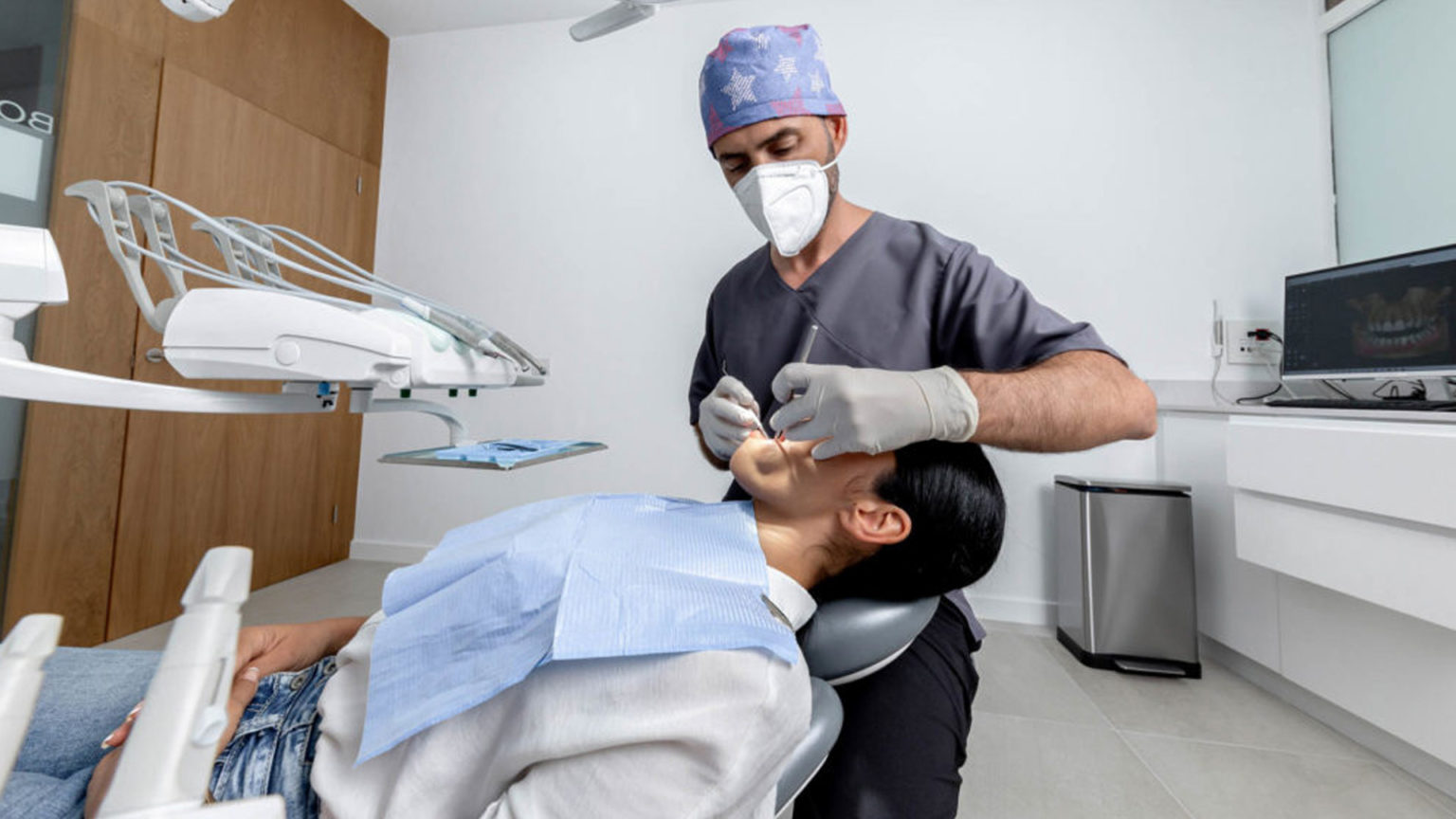
When patients search for an Emergency Dentist Beverly Hills, they are often in too much discomfort to think beyond one question, “Can someone stop this pain today?” That is a fair question, and in many cases the answer is yes, but pain relief starts with identifying the exact source.
An emergency visit typically begins with a focused history. The timing of the pain matters. So do the triggers. Is it worse with cold, heat, sweets, pressure, or nothing at all? Does it come and go, or stay constant? Is the pain sharp, dull, throbbing, or radiating? Has there been recent dental work, clenching, trauma, or sinus congestion? Those details narrow the field quickly.
The clinical exam may include percussion testing, cold testing, bite evaluation, and careful inspection of existing restorations and surrounding gums. Dental X-rays are often necessary, though they do not reveal every crack or every early pulpal change. That is one reason experienced clinical judgment matters. A tooth can look deceptively acceptable on an X-ray and still be the problem.
From there, treatment depends on the diagnosis. A small exposed-root sensitivity issue may respond to desensitizing treatment, fluoride varnish, bonding, or changes in home care. A cavity may need a filling. A cracked cusp might require a crown or, in more advanced cases, root canal therapy first. An abscessed tooth may need drainage, root canal treatment, or extraction if the tooth is not salvageable. A high filling from recent dental work may only need a bite adjustment, which can bring fast relief.
The immediate goal is not always the final goal. Sometimes emergency dentistry is about stabilizing the situation, reducing pain and infection risk, and protecting the tooth until comprehensive treatment can be completed. That is still valuable care. In fact, it is often the difference between preserving a tooth and losing it.
Why timing changes the outcome
Dental pain has a way of making time feel longer. A day can feel endless when every sip or bite hurts. Clinically, though, those one or two days can make a meaningful difference.
If a cavity is causing reversible inflammation of the nerve, early treatment may allow the tooth to settle after a filling or crown. Once the inflammation becomes irreversible, the nerve usually cannot recover, and root canal therapy becomes more likely. A crack that is confined to one part of the tooth may be protectable. A deeper crack extending into the root often carries a much poorer prognosis. A localized gum infection may be manageable before it spreads. Facial swelling changes the urgency.
This is where emergency care earns its place. Not every painful tooth needs extensive treatment that same day, but every painful tooth deserves accurate triage. The question is not only, “How do we stop the pain?” It is also, “How do we prevent the next, more serious phase of this problem?”
Sensitivity after whitening, cleanings, and recent dental work
Not every sudden sensitivity episode points to decay or infection. There are situations where temporary sensitivity is expected, and knowing the difference can spare unnecessary panic.
Whitening products commonly cause short-term sensitivity, especially to cold. That usually fades within a couple of days after use stops. A recent dental cleaning can leave teeth feeling slightly more reactive, particularly if tartar was removed from exposed root surfaces. A new filling can also produce temporary sensitivity while the tooth settles, especially if the cavity was deep.
The line between expected and concerning is still the same: duration, severity, and progression. If sensitivity improves day by day, that is reassuring. If it becomes more intense, lingers longer, disrupts sleep, or makes chewing difficult, it should be evaluated. A new filling that feels high can trigger ligament soreness or sharp pain with biting. That is often a simple fix, but it does require an exam.
Patients sometimes assume they are overreacting because the pain began after treatment. In reality, persistent or escalating symptoms after dental work should be reported promptly. Most dentists would rather hear about a possible problem early, when the correction is simpler.
Cracked teeth, the frequent culprit people miss
One of the trickiest causes of sudden sensitivity is the cracked tooth. These cases are easy to underestimate because the tooth may not look broken in the obvious sense. There may be no visible chunk missing, no large cavity, and no dramatic swelling. Yet the patient describes pain with chewing, or pain when releasing the bite after biting down. Cold sensitivity may come and go. Some days are worse than others.
Molars with large, older fillings are common candidates. Years of chewing forces can weaken the remaining tooth structure, and one hard bite on a popcorn kernel, olive pit fragment, or unexpectedly hard bread crust can create a fracture line. Night grinding adds to the risk.
Cracks matter because they are progressive. Repeated stress can extend them. Early intervention may allow the tooth to be protected with a crown. Delay can turn a restorable tooth into a tooth that needs root canal treatment, or one that cannot be saved. This is another reason sudden sensitivity deserves respect, especially when it seems tied to chewing.
The role of gum recession and exposed roots
Not all urgent sensitivity is inside the tooth. In some adults, especially those with a history of aggressive brushing, periodontal disease, or natural gum recession with age, the root surface becomes exposed near the gumline. Root dentin is softer than enamel and far more sensitive to temperature changes.
This type of pain is often sharp and immediate with cold drinks, cold air, and sweet foods. It may affect more than one tooth, though one area can become especially troublesome if the recession is pronounced. The good news is that this can often be managed conservatively with desensitizing toothpaste, fluoride, bonding, improved brushing technique, and periodontal care. The challenge is that exposed roots are also vulnerable to root decay, which can move faster than standard enamel cavities.
A careful exam sorts out whether the pain is mainly from recession, decay, grinding, or a combination. In real life, it is often a combination.
When facial swelling or fever enters the picture
At that point, the issue is no longer just a sore tooth. Swelling, fever, difficulty opening the mouth, pain spreading into the jaw or neck, and trouble swallowing all raise the stakes. These symptoms can indicate a spreading infection that needs immediate evaluation. Depending on severity, urgent dental treatment alone may not be enough, and medical attention may be necessary as well.
This is where people sometimes wait too long because they are trying to push through a busy schedule. It is understandable, but risky. Dental infections can move from manageable to serious faster than patients expect. A reliable Emergency Dentist Beverly Hills residents can contact should be prepared to advise whether the office is the right next step or whether a hospital setting is safer based on symptoms.
Pain control matters, but diagnosis matters more
There is a natural temptation to focus only on pain relief. If a medication takes the edge off, it feels like progress. But pain is a symptom, not a final diagnosis. The same throbbing ache could come from deep decay, a cracked tooth, an abscess, grinding-related trauma, or referred pain from another source. Each one demands a different response.
That is why internet advice has limits. Home remedies may soothe tissues temporarily, but they do not tell you whether the nerve is inflamed beyond recovery, whether a fracture line is present, or whether an infection is building under the surface. Emergency dental care fills that gap. It combines symptom management with a decision about what the tooth needs next.
How to reduce the odds of another emergency
No prevention plan can eliminate every dental emergency. Teeth crack, restorations age, and life happens. Still, some patterns show up often enough to be worth addressing.
Patients who grind at night benefit from discussing a custom night guard. People with repeated sensitivity near the gumline often need a softer brushing technique rather than “cleaning harder.” Teeth with large, old fillings deserve periodic review because they may eventually need onlays or crowns before they fracture. Anyone who postpones routine care for long stretches should know that cavities and failing restorations rarely stay small forever.
Even hydration and diet play a role. Frequent acidic drinks, sipping all day, and repeated sugar exposure create conditions where enamel weakens and decay accelerates. The issue is not one dessert or one coffee. It is the pattern.
Most dental emergencies are not random. They are often the point where a silent process finally becomes impossible to ignore.
Choosing the right response when the pain is sudden
If your tooth suddenly becomes sensitive in a way that feels different from the past, trust that instinct. Pain is information. It may turn out to be a manageable issue, but that is precisely why prompt care helps. Small problems are simpler to treat than advanced ones.
People often feel embarrassed about seeking urgent care for “just sensitivity.” They should not. Some of the most significant dental findings begin exactly that way, with a patient saying, “It only started as cold sensitivity.” Whether the cause is decay, a crack, an abscess, gum recession, or a bite problem, timely evaluation protects comfort, reduces risk, and improves the odds of saving the tooth.
For anyone searching for an Emergency Dentist Beverly Hills because a once-minor sensitivity has become real pain, the best next step is a professional assessment as soon as possible. Dental pain rarely rewards delay. Prompt diagnosis usually offers the clearest path to relief, and often the most conservative treatment too.
Dental Group of Beverly Hills
8641 Wilshire Blvd #125, Beverly Hills, CA 90211, United States
Phone: +1 (310) 929-6335
FAQ About Emergency Dentist Beverly Hills
What is considered to be a dental emergency?
Severe tooth pain, a knocked-out permanent tooth, a significant tooth fracture, or suspected dental infection needs prompt professional assessment. Contact a dentist to describe the problem and arrange appropriate care. Trouble breathing or swallowing, uncontrolled bleeding, or major facial injury requires immediate emergency medical attention.
How to tell if tooth pain is serious?
Pain that is severe, persistent, or accompanied by fever, facial swelling, or a bad taste should be assessed promptly by a dentist. The cause cannot be confirmed from symptoms alone. If swelling affects breathing or swallowing, call 911 or go to an emergency department.
What do I do if I have a dental emergency and no dentist?
Call a nearby dental practice that accepts urgent patients and explain your symptoms, when they began, and any recent injury. Ask about the earliest available assessment and what information to bring. For life-threatening symptoms, seek emergency medical care immediately instead of waiting for a dental appointment.